



Australia Property Market 2021: Key Predictions
- January 13, 2021
- Posted by: Serres Property Finance
- Category: News
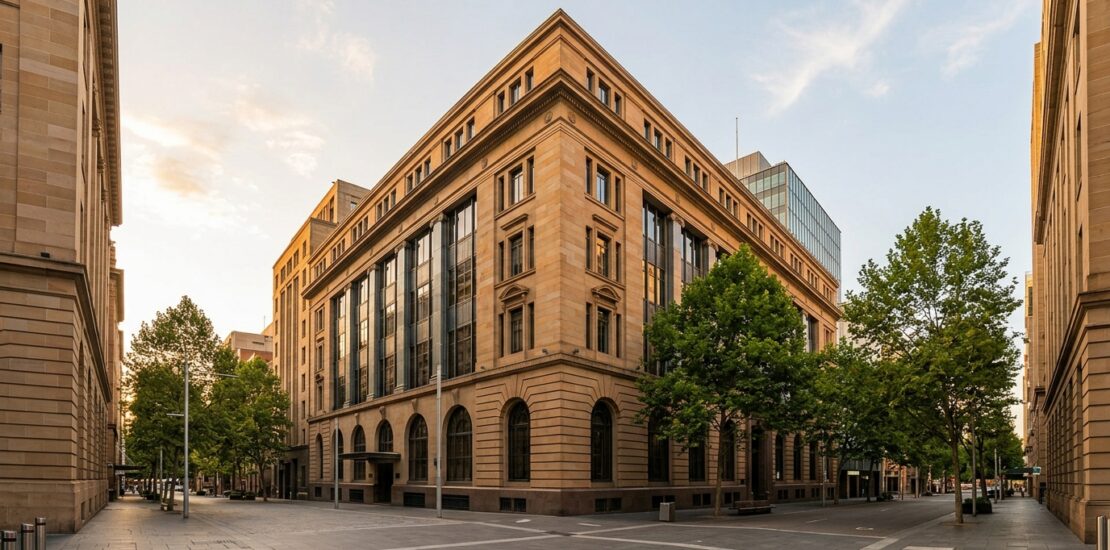
Australia's property market closed out 2020 with three months of consecutive gains — here's what analysts expected for the year ahead.
Despite one of the most disruptive years in living memory, the Australia property market 2021 outlook was surprisingly upbeat. National home values finished 2020 up 3%, a resilient result considering the economic shock of the pandemic. Buyers had shaken off the uncertainty of mid-year and returned to the market in force, clearance rates were recovering, and the Reserve Bank had made clear that interest rates were staying low. So what were analysts and industry commentators expecting as the new year began? Here’s a summary of the key predictions.
How 2020 ended
The final stretch of 2020 told a positive story. National home values rose 1% in December alone, marking the third consecutive monthly increase after a cumulative fall of 2.1% between April and September.
Regional markets were the real standout. Combined regional home values rose 6.9% across 2020 — more than three times the pace of the combined capital cities. The shift toward remote and flexible working arrangements pushed buyers to look beyond city limits, and that demand translated into stronger price growth in regional areas.
Sale activity was also running hot despite a tight listings environment. Total residential properties advertised for sale peaked at around 165,000 in November, still 18% below the same point in 2019. By the end of December, there were 21% fewer properties available compared with twelve months earlier. Yet annual home sales volumes finished 8% ahead of 2019 — a sign that buyers were moving quickly when stock did come to market.
The evidence was there in the numbers. Median days on market dropped from 43 days in the July quarter to 33 days by December. Vendor discounting also tightened, narrowing from 3.6% to 2.8% over the same period. Sellers had the upper hand heading into 2021.
Capital city performance
The picture across the capitals was uneven. Seven of the eight capitals recorded stronger gains for houses than units, with the house market up 2.6% nationally against just 0.2% for units. The apartment segment — particularly in inner-city suburbs reliant on overseas migrants and students — remained subdued.
Four capitals entered 2021 still below their previous price peaks. Sydney was 3.9% below its July 2017 high, while Melbourne sat 4.1% below its March 2020 peak. Perth and Darwin were significantly further from their respective 2014 highs, down 19.9% and 25.7%. For buyers in those cities, values still represented good long-term entry points.
For anyone weighing up a purchase in early 2021, it was worth taking a close look at their numbers. You can check your borrowing power to get a realistic picture of what you could afford before you start making offers.
Mortgage deferrals
One of the bigger concerns heading into 2021 was the fate of borrowers who had deferred their home loan repayments during COVID-19. At the peak in June 2020, APRA reported that $195 billion worth of home loans were in deferral. By October, that figure had dropped significantly to $68.2 billion as borrowers resumed repayments or refinanced.
The industry-wide deferral scheme was due to wind up in March 2021, which raised questions about whether a wave of distressed sales could flood the market. Most indicators suggested the risk was lower than initially feared. Mid-year forecasts had already revised down the number of employees expected to rely on the JobKeeper program through December by around 600,000, reflecting a labour market recovery that was outpacing early predictions.
For the broader property market, this meant a more orderly transition was likely. Rather than a sudden spike in forced listings, the expectation was for a gradual normalisation as support measures were withdrawn.
2021 predictions
Analysts and commentators entering 2021 generally shared an optimistic view for the Australia property market 2021. Here are the themes that dominated the conversation.
For more on how the market developed in the weeks that followed, see our January 2021 property market update.
Buyer opportunities
For buyers, early 2021 presented a genuine window of opportunity. First home buyers in particular had access to a range of government incentives — including grants and stamp duty concessions — that reduced the upfront cost of entering the market. For younger Australians without a large deposit, a guarantor loan using a family member’s property as security was one way to bridge the gap and avoid lenders mortgage insurance.
First-time investors were in a similarly favourable position. With variable mortgage rates at record lows and rental demand recovering in most markets, the numbers were stacking up better than they had in years.
That said, it was worth staying informed about the rate environment. While the RBA’s guidance was reassuring, lending conditions can shift in ways that affect how much you can borrow. Understanding how borrowing power can change is an important part of making a sound long-term decision, regardless of where rates sit today.
Common questions
Q: Was early 2021 a good time to buy a home in Australia?
For most buyers, the conditions were supportive. Interest rates were at historic lows, government incentives for first home buyers were available, and property values — while rising — had not yet surged dramatically. Acting before competition intensified was considered a sound strategy, though it always depends on your personal financial situation.
Q: Did the end of mortgage deferrals cause property prices to fall in 2021?
The concern at the start of 2021 was that the March deadline for deferral schemes could trigger a wave of forced sales. In practice, the risk was lower than feared. Most borrowers had resumed repayments or restructured their loans, and the labour market had recovered faster than initial forecasts suggested. There was no significant flood of distressed listings.
Q: Why were regional property markets outperforming capital cities heading into 2021?
The shift to flexible and remote working during COVID-19 allowed more buyers to consider living outside the major capitals. Areas that previously would have been too far from the office became practical options. That increased demand, combined with lower prices relative to cities, pushed regional values up 6.9% across 2020 — more than three times the capital city average.