



What rising rents mean for borrowers ahead of next week's RBA decision
Australia’s rent surge in 2026 is showing no signs of slowing, with new Cotality data showing advertised rents rose 5.7% in the year to April. That includes a 0.6% jump in April alone, putting rents at their fastest pace of growth since October 2024. If you are renting and thinking about buying, or already holding a variable rate home loan, the Reserve Bank’s next rate decision on 6 May could affect you.
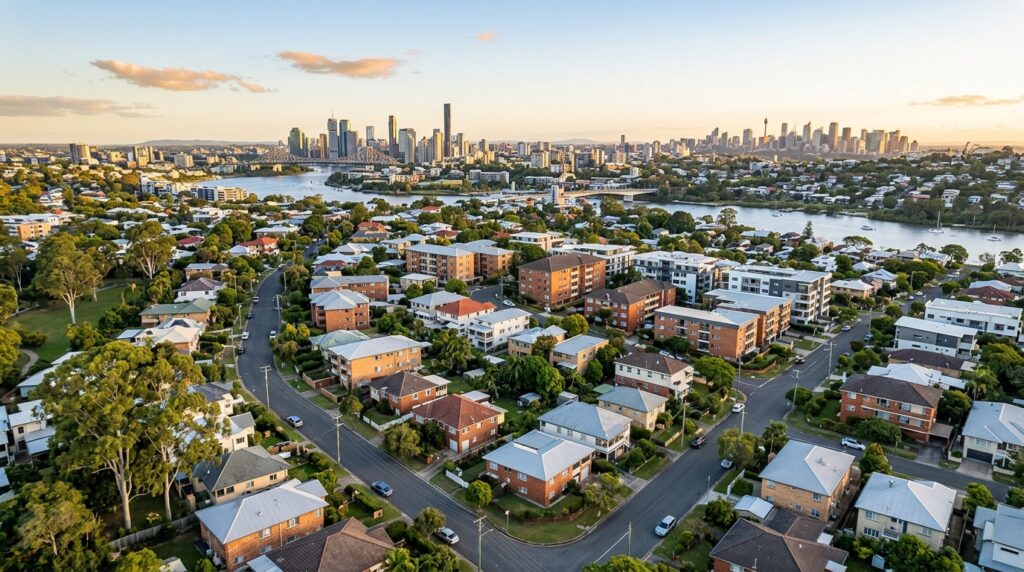
Rent surge in 2026
Advertised prices for new rental listings rose 5.7% in the year to April 2026, according to Cotality. That rise translates to about $38 extra per month for a new tenant signing on now. It is the biggest year-on-year lift in advertised rents since October 2024, and the pace is picking up rather than easing.
The trend had been building in most capital cities for some time. Adelaide was the one hold-out, showing signs of stability. Now even Adelaide has joined in, with advertised house rents up 4.2% over the year to April.
City by city
Darwin has seen the sharpest rise, with house rents up 8.8% in the year to April. Perth and Hobart follow closely, both up 7%. Rents are rising in Brisbane, Sydney, Melbourne and Canberra too, though at a more moderate pace.
The common thread across every capital city is a critically low vacancy rate. No city has more than 1.8% of its rental stock sitting vacant. To put that in context, the long-run average through the 2010s was around 3.3%. When supply is this tight, renters have few choices and landlords face little pressure to hold the line on price.
Inflation and rates
Rents are one of the most direct contributors to the cost of living. Across both new and existing tenancies, rents rose 3.7% in the twelve months to March 2026, helping push headline inflation to 4.6% for the same period. That sits well above the Reserve Bank’s 2 to 3 per cent target.
The RBA board meets on 6 May 2026 and is weighing whether to lift rates further. If rents keep rising, that makes the inflation picture stickier and raises the chance of another hike. For a full breakdown of what the inflation numbers mean for borrowers, read our overview of the RBA rate hike and home loan impact.
House prices slow
The same Cotality data shows house price growth has hit its slowest point in almost 18 months. Sydney and Melbourne both recorded falls of 0.6% in April. Melbourne is now down 1.9% from its November peak, and Sydney is off 1%.
There is a clear split between price segments. In most cities, prices in the bottom quarter of the market are still rising, while the top-priced quarter fell 1.2% nationally in April. Perth, Brisbane, Adelaide and Darwin are still seeing broad-based growth, but the two-speed pattern is clear across the country.
For buyers, cheaper homes are holding up better, which is relevant if you are targeting entry-level properties. Use our borrowing power calculator to see what you could afford at current rate settings.
For borrowers
If you are on a variable rate home loan, the combination of rising inflation and a potential rate hike means your repayments could increase in May. It is worth reviewing your budget now to see how another rise would affect you.
If you are renting and weighing up whether to buy, the data cuts both ways. Rents are rising quickly, which makes buying look more attractive over the long term. But higher interest rates push up repayment costs too, especially in the short term. Knowing your numbers helps you make that call with confidence.
Watch out for signs of financial pressure as you plan ahead. Our piece on mortgage stress warning signs in 2026 is a useful reference for anyone managing a tighter budget this year.
Common questions
Q: Will rents keep rising through 2026?
The data points to continued pressure. Vacancy rates remain near historic lows across every capital city. Until more rental supply comes to market, landlords are likely to keep pushing prices higher. If you are renting, it may be worth exploring whether buying makes sense for your situation.
Q: How do higher rents affect my chances of getting a home loan?
Lenders look at your living expenses when assessing your application. Paying high rent can reduce your assessed surplus income, which may affect how much you can borrow. On the other hand, a long track record of meeting large rental payments can show lenders you are capable of managing a mortgage. Speak to a broker for a personalised read on your situation.
Q: What should I do if the RBA raises rates in May 2026?
First, confirm whether you are on a fixed or variable rate. If you are on a variable rate, work out what an extra 0.25% would add to your monthly repayments. If you have a fixed rate approaching its expiry date, start comparing options now so you are not caught by a rate roll-off at the worst time.