

Affordable New Cars in Australia: Best Value Models for 2021

Affordable doesn't mean cheap. These are the best-value new cars on sale in Australia right now.

Finding affordable new cars in Australia comes down to more than the sticker price. The best-value vehicles balance purchase cost with running costs, reliability and safety. Whether you are after an SUV for the family, a practical ute for work or a fuel-efficient city hatchback, there is a quality new car available at a sensible price point.

Financing a new car through an asset finance or car loan product can spread the cost over manageable monthly payments. Before you head to a dealership, it helps to understand your budget. Use our loan repayment calculator to estimate your weekly repayments based on different loan amounts and terms.
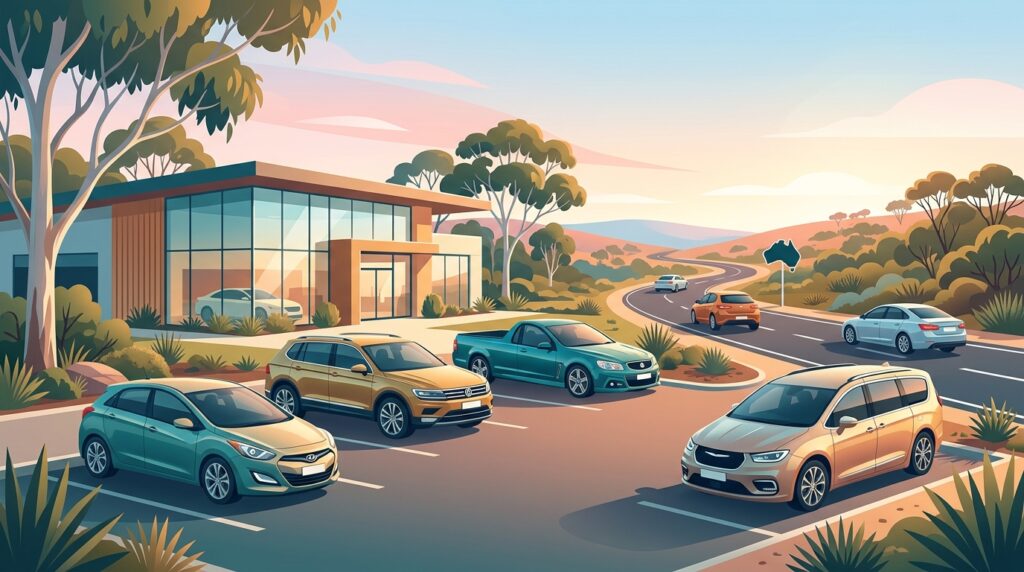
affordable new cars Australia

SUVs and sedans

  • Hyundai Kona (SUV) from $24,500. A strong choice for families who want AWD capability without paying a premium. The Kona handles both weekend adventures and weekday commutes with ease. Interior materials are functional rather than luxurious, but the build quality and towing capability set it apart from cheaper rivals.
  • Toyota Camry Ascent Hybrid (sedan) from $33,490. A refined family sedan packed with modern safety and convenience features including parking sensors, lane-keep assist and hill-start assist. The hybrid drivetrain delivers outstanding fuel economy at around 4.2L per 100km, and Toyota prices the hybrid option affordably compared to some competitors.
  • Kia Seltos (all-rounder) from $26,790. One of the best-rounded small SUVs in Australia. The Seltos comes with a strong safety pack including autonomous emergency braking, adaptive cruise control and rear cross-traffic alert. A generous 10.25-inch infotainment screen with Apple CarPlay and Android Auto is standard, and Kia’s 7-year warranty adds genuine peace of mind. Fuel consumption sits around 6.8L per 100km.
  • Hatchbacks and sports

  • Suzuki Swift GL (hatchback) from $19,490. Consistently popular in Australia for good reason. For under $20,000 you get an 8-inch touch screen, a 1.2L engine that is easy to park in the city, and a sensible fuel economy of around 4.8L per 100km. An optional safety pack adds active cruise control and emergency braking. Note that only white is offered as a no-cost colour choice.
  • Toyota 86 / Subaru BRZ (sports car) from $32,200. A modern revival of a beloved rear-wheel-drive formula. The 86 uses a Subaru-developed horizontally-opposed four-cylinder engine that delivers punchy, responsive driving without burning through premium fuel at an alarming rate (around 8.4L per 100km on the combined cycle). Clean styling, a large aftermarket parts community and strong resale values make this an appealing choice for driving enthusiasts on a budget.
  • Both the hatchback and sports categories reward buyers who prioritise driving enjoyment and running costs over outright size. For city-focused buyers especially, smaller cars remain some of the best-value new cars in Australia in terms of total cost of ownership.

    Utes and people movers

  • Ford Ranger XL Double Cab (ute) from $39,390. Australia’s second-best-selling vehicle behind only the Toyota HiLux, and for good reason. The Ranger base model delivers solid standard features including pedestrian recognition, hill descent control and emergency brake assist. While the base 4×2 version is the most affordable entry point, there are multiple trim levels to match different work and lifestyle needs. Proven reliability and strong resale values make this a competitive choice for tradies, farmers and families alike.
  • Citroen Grand C4 SpaceTourer (people mover) from $38,490. A seven-seat family hauler that punches above its weight on interior quality. Higher-grade cabin materials and a 12-inch centre screen set it apart from rivals at a similar price. Safety is well covered, and fuel economy is reasonable at around 6.4L per 100km. Worth noting: luggage capacity shrinks considerably when the third row is in use, making it better suited to school runs than long road trips with full cargo.
  • Financing your car

    Once you have settled on a model, the next step is working out how to finance it. Car loans in Australia are typically secured against the vehicle, which keeps interest rates lower than unsecured personal loans. Terms usually range from one to seven years.

    A few things to consider before signing:

  • Compare interest rates. Rates can vary significantly between lenders. A broker who specialises in asset finance can compare options across multiple lenders on your behalf.
  • Watch for balloon payments. Some car loans feature a lump-sum payment at the end of the term to keep monthly repayments lower. Make sure you have a plan for that final amount before you agree to it.
  • Factor in on-road costs. Registration, stamp duty on the vehicle purchase and dealer delivery fees all add to the total cost. Budget for these on top of the advertised price.
  • Check your borrowing capacity. A car loan sits alongside any existing debts when lenders assess your finances. Check how much you can borrow before you commit to a purchase price.
  • Whether you choose to buy outright, use a chattel mortgage, consumer car loan or novated lease will depend on how you plan to use the vehicle. A finance broker can walk you through the options suited to your situation.

    Common questions

    Q: What is the most affordable new car in Australia under $20,000?

    The Suzuki Swift GL starts from around $19,490 drive-away in some states, making it one of the few genuinely new cars available under the $20,000 mark in Australia. It comes with an 8-inch touchscreen and a range of standard safety features, making it good value for city drivers and budget-conscious buyers.

    Q: Is it better to buy a new or used car in Australia?

    New cars come with manufacturer warranties, the latest safety technology and lower running costs in the early years. Used cars cost less upfront but may have higher maintenance costs and fewer protections. If budget is tight, a demonstrator or near-new vehicle can offer the best of both: minimal depreciation already taken and the remainder of the factory warranty still intact.

    Q: How does a car loan affect my ability to borrow for a home?

    Lenders count car loan repayments as a financial commitment when assessing your borrowing capacity for a home loan. If you are planning to buy a home soon, it is worth speaking to a broker first. They can advise whether taking on a car loan now will affect your home loan application down the track.

    Looking for more info on any of this?