



Sydney and Melbourne Property Market Outlook 2020
- January 4, 2020
- Posted by: museswow
- Category: Property and Finance
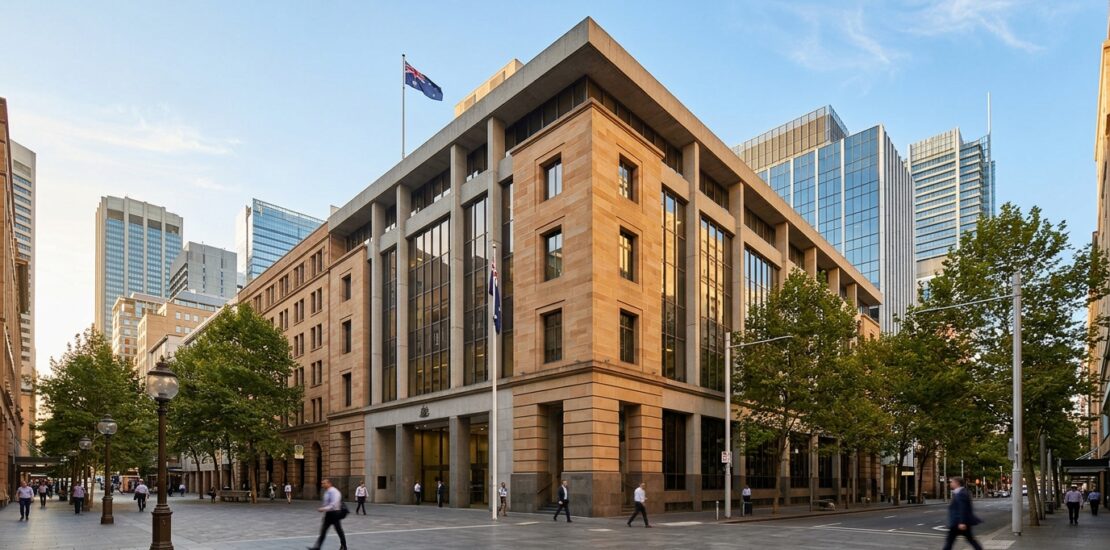
Sydney and Melbourne are leading Australia's property recovery.
The close of 2019 brought welcome news for anyone watching the Sydney Melbourne property market. Dwelling values in Sydney rose 6.2% in the final quarter of 2019, with Melbourne close behind at 6.1%. Together, the two cities pushed national dwelling values up by 2.3% for the year. That was a genuine turnaround after the price falls of 2018.
Both cities also posted annual growth of 5.3%, confirming the recovery is sustained. Whether you are a first home buyer, an upgrader, or a property investor, understanding what is driving this growth can help you plan your next move.
The recovery story
Three things shifted conditions in the second half of 2019. The Reserve Bank of Australia (RBA) cut the cash rate twice. APRA eased its serviceability buffer, lifting many buyers’ borrowing capacity. And the outcome of the federal election restored confidence among property investors and buyers.
Values in both cities remain below their 2017 highs. Sydney is still 6.4% off its peak, and Melbourne is 2.3% below. The direction is clearly upward, though. A steady recovery is a healthier sign than a sudden spike.
First home buyers
A big reason more first home buyers are entering the market is stamp duty relief. In NSW, buyers purchasing a home under $650,000 are fully exempt from stamp duty. In Victoria, the same applies to homes under $600,000. That saves eligible buyers roughly $30,000 per purchase, which makes a real dent in the deposit gap.
The First Home Loan Deposit Scheme also launched in 2020, letting eligible buyers purchase with a 5% deposit without paying lenders mortgage insurance. Both measures lower the barrier to entry significantly.
Before you start your property search, use our stamp duty calculator to see exactly what you would save in your state.
Affordability outlook
Housing affordability improved modestly through 2019. The time needed to save a 20% deposit (at 15% of household income) fell from 11.4 years to 11 years in Sydney and from 10.1 years to 9.6 years in Melbourne.
The ratio of dwelling values to household income also dropped slightly in both cities, meaning homes became a little more accessible relative to earnings. That window is narrowing, though. With values rising strongly again, affordability will worsen unless wages keep pace.
Check your borrowing power to see what price range suits your financial situation.
Investors and demand
NSW and Victoria are the economic engines of Australia. Both states recorded unemployment below 5% and together accounted for around 80% of national job growth over the prior year. Strong employment and population growth feed directly into housing demand.
Investor activity is rising too. Australian Bureau of Statistics data shows investors made up 32% of mortgage demand in NSW and 26% in Victoria, both higher than any other state. Increased investor participation tends to support property values, particularly in suburbs close to employment centres.
If you already own property, rising demand may be building your equity. Our guide to home equity loans explains how to put that equity to work.
Your next step
The Sydney and Melbourne property market rewards preparation. One of the most common mistakes buyers make is searching for properties before getting pre-approval. You risk falling for a home that a lender will not finance, or missing out at auction to someone who came ready to bid.
At Serres Property Finance, we help you understand your borrowing capacity before your search begins. We compare home loans from a wide range of lenders to find one that fits your situation and goals. Talk to our team to get your pre-approval underway.
Common questions
Q: Are Sydney and Melbourne property values still below 2017 peaks?
As at the end of 2019, Sydney values were 6.4% below their 2017 peak and Melbourne was 2.3% below. Both cities are recovering but have not yet returned to record highs.
Q: What is the First Home Loan Deposit Scheme?
It is a federal government program that lets eligible first home buyers purchase with a 5% deposit without paying lenders mortgage insurance. The government guarantees the remaining portion of the deposit, removing a significant upfront cost for buyers who do not have a full 20% saved.
Q: Should I buy now or wait for the market to settle?
Affordability improved slightly in 2019, but rising values mean that window is likely closing. Rather than trying to time the market, focus on your financial readiness. Getting pre-approval sorted first is the smartest move regardless of where the market is heading.