



Property Market December 2019: Sydney’s Biggest Monthly Gain Since 1988
- December 8, 2019
- Posted by: museswow
- Category: Property and Finance
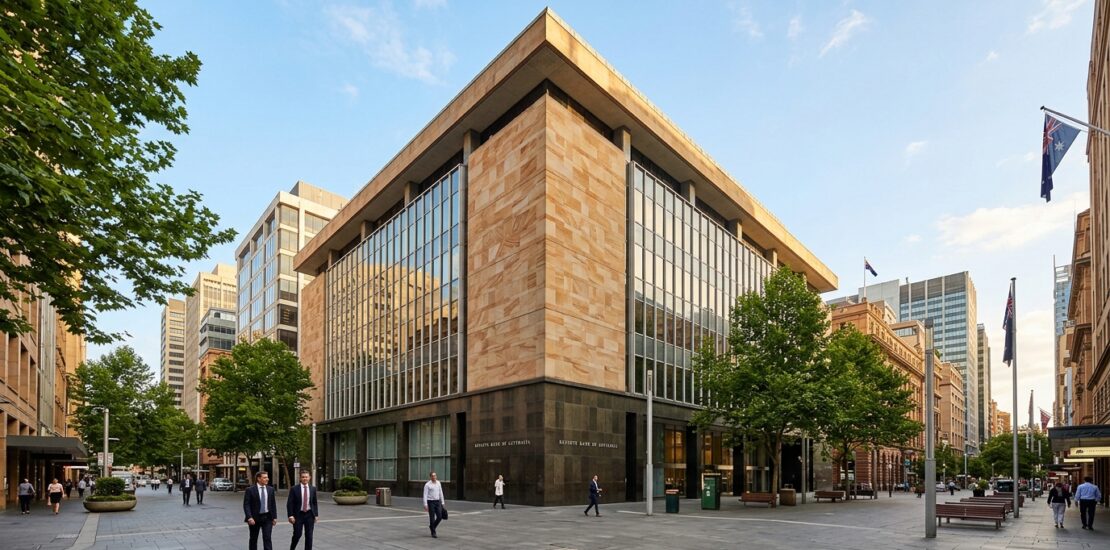
Sydney's property market posted a result not seen since the late 1980s.
The property market in December 2019 delivered a striking result. According to CoreLogic’s national Home Value Index, Sydney dwelling values rose 2.7% in the month ending November 2019. That was the largest single-month increase in Sydney prices since 1988.
Melbourne was not far behind, recording a 2.2% rise over the same period. On the back of this rapid recovery led by the two largest cities, the national home value index entered positive annual growth territory for the first time since April 2018, rising 1.7%.
For buyers who had been watching from the sidelines as prices recovered, the data was a clear signal that the downturn was over. For those who had deferred their search, the window to buy at lower prices was closing fast.
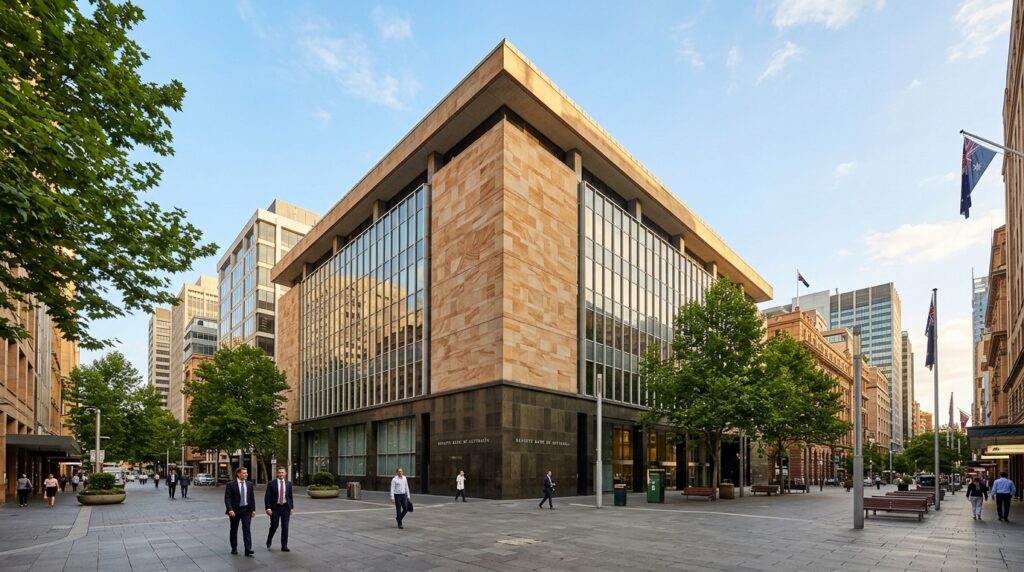
Sydney and Melbourne
The recovery trend across Australia was most concentrated in the premium end of the market, and this was especially clear in Sydney and Melbourne.
In Sydney, the top quartile of property values rose 7.4% over three months, compared with a 3.8% gain for the lower quartile. In Melbourne, the top quartile gained 8.1% versus 4.2% for the bottom. Brisbane, Perth and Darwin showed a similar pattern, with premium properties outperforming lower-value ones.
This premium-led recovery reflected two things. First, values had fallen more sharply in the top end during the downturn, so there was more ground to recover. Second, changes to APRA’s serviceability assessment rules had boosted borrowing capacity across the board, and this tended to have a proportionally larger effect in higher-value markets.
Perth's turnaround
One of the most significant developments in the December 2019 data was Perth. The Western Australian capital recorded its first month-to-month increase in dwelling values since 2018, rising 0.4% for the month.
It was a small figure, but the symbolic significance was large. Perth had been one of Australia’s most troubled property markets. Over the 13 years following the mining boom, Perth had gone from being the most expensive capital city in Australia to the least expensive. Dwelling values had fallen a cumulative 21.3% from mid-2014 to November 2019.
For first home buyers, this prolonged decline had created real opportunities in Perth’s market. Affordability was strong relative to other capital cities, and the first signs of a recovery were emerging.
What drove the recovery
CoreLogic identified several factors behind the accelerating recovery in late 2019.
On top of these primary drivers, low advertised stock was creating urgency among buyers, and the prospect of further rate cuts was pulling forward demand from buyers who expected prices to keep rising.
Regional markets
The combined capital cities index rose 4.6% over the three months to November 2019. Regional Australia was moving more slowly, with the combined regional index up just 1.1% over the same period.
The strongest performing regional areas over three months were:
Annualising the three-month national growth rate pointed to double-digit annual gains of 15.3%, with Sydney and Melbourne tracking in the mid-20% range on an annualised basis. These figures signalled that affordability would become a growing concern heading into 2020, particularly for first home buyers.
What it meant for buyers
The rapid recovery and the launch of the First Home Loan Deposit Scheme in January 2020 were expected to put further upward pressure on prices, particularly in the sub-$700,000 range popular with first home buyers.
For buyers who had been waiting for the market to stabilise, the data was a clear prompt to act. The most common mistake seen among buyers who miss out on property is starting the search before getting a home loan pre-approval in place.
To understand what a recovering property market means for first home buyers and how to position yourself ahead of rising prices, it pays to speak with a broker early. Before you start inspecting properties, make sure you have also factored in your upfront costs by using our stamp duty calculator.
Common questions
Q: Why did Sydney experience such a large monthly price rise in November 2019?
Several factors converged at once. APRA’s changes to mortgage serviceability rules expanded borrowing capacity, three RBA rate cuts in 2019 reduced the cost of debt and the election result removed uncertainty around negative gearing reform. Together these factors released a wave of pent-up demand into a market where advertised stock remained low.
Q: Was it a good time to buy property in late 2019?
In hindsight, late 2019 was near the start of a sustained growth phase that ran through much of 2021. Buyers who entered the market during this period, including those who used the First Home Loan Deposit Scheme launched in January 2020, generally benefited from strong subsequent price growth.
Q: What is the First Home Loan Deposit Scheme mentioned in this article?
The First Home Loan Deposit Scheme, later renamed the First Home Guarantee, allows eligible first home buyers to purchase with as little as a 5% deposit without paying lenders mortgage insurance. The government guarantees the remaining portion of the deposit. Places are limited each financial year, so applying early is important.